

 +91
+91 


Hair Loss Treatment
Working Time
- Mon-Thu 08:00 – 20:00
Friday 07:00 – 22:00
Saturday 08:00 – 18:00
Contact Info
-
Phone: 75388 91919
73861 91919
Ask the Experts
Understanding Hair Loss: A Common Concern
Hair loss, or alopecia, affects millions worldwide, regardless of age or gender. It can manifest as thinning hair, bald patches, or complete hair loss. While often associated with aging, hair loss can occur due to various factors, including genetics, hormonal changes, nutritional deficiencies, and medical conditions. Understanding the underlying causes is crucial for effective treatment.
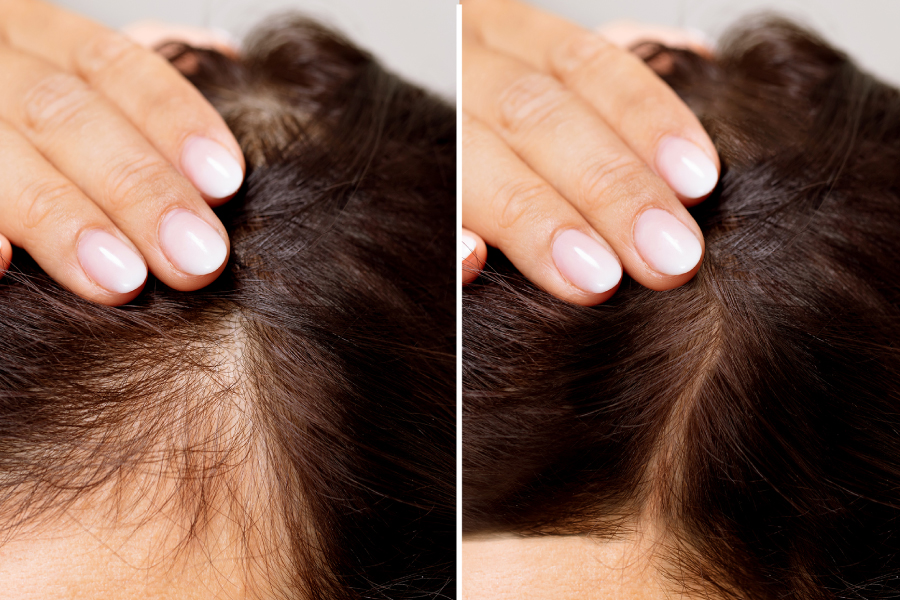
Common Causes of Hair Loss
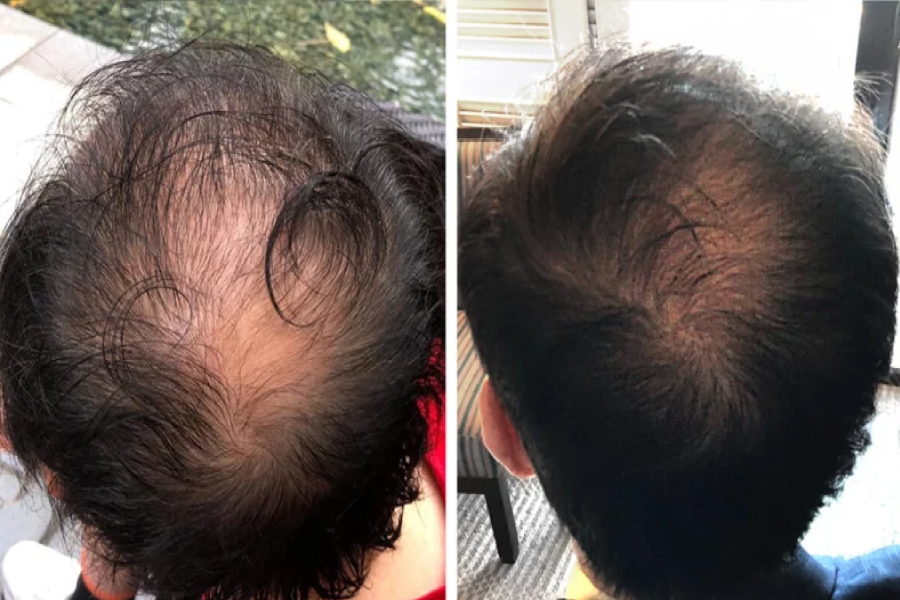
1. Genetic Factors:
Androgenetic alopecia, or male and female pattern baldness, is the most common cause of hair loss. This hereditary condition is characterized by a gradual thinning of hair and is influenced by genetic predisposition.
2. Hormonal Changes:
Hormonal fluctuations from pregnancy, menopause, or thyroid disorders can lead to hair thinning. Conditions such as polycystic ovary syndrome (PCOS) also contribute to hair loss in women.
3. Medical Conditions:
Autoimmune diseases, such as alopecia areata, cause the immune system to attack hair follicles, resulting in hair loss. Scalp infections like ringworm can also lead to temporary hair loss.
4. Nutritional Deficiencies:
Insufficient intake of vital nutrients—such as iron, zinc, and vitamins (especially B vitamins)—can weaken hair follicles and contribute to hair loss.
5. Stress and Lifestyle Factors:
High-stress levels can trigger a type of hair loss called telogen effluvium, where hair falls out after stressful events. Unhealthy lifestyle choices, including smoking and poor diet, can further exacerbate hair loss.
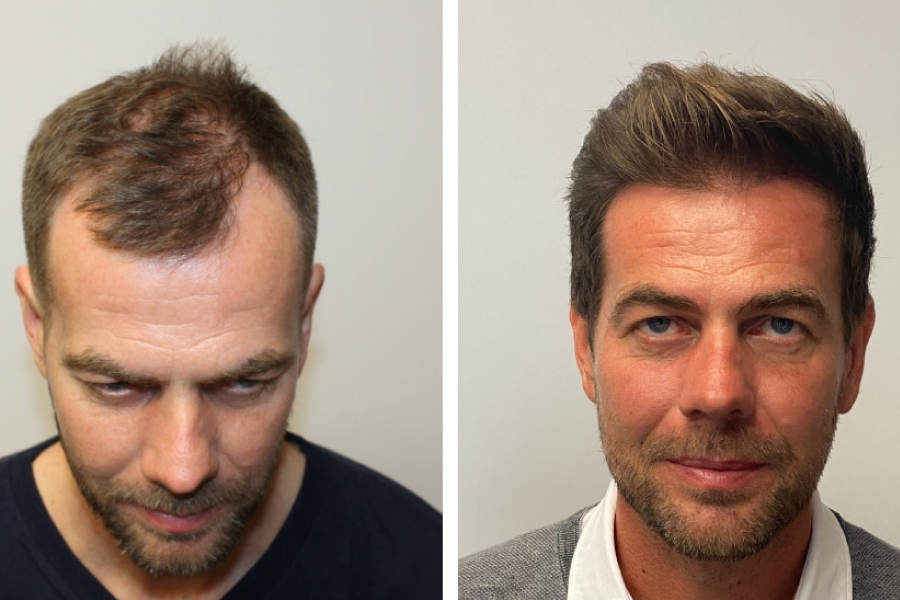
Medical Treatments for Hair Loss
At NEW HAIR, we offer a variety of medical treatments tailored to your specific needs. Here’s a closer look at the most effective options:
1. Minoxidil (Rogaine):
Overview: An FDA-approved topical solution for both men and women, minoxidil is applied directly to the scalp. It works by widening blood vessels, increasing blood flow to hair follicles, and stimulating hair growth.
Effectiveness: Users often see results within 4 to 6 months, with continued use leading to sustained growth.
Side Effects: Some may experience scalp irritation or unwanted facial hair growth.
2. Finasteride (Propecia):
Overview: This oral medication is primarily used by men. Finasteride inhibits the conversion of testosterone to dihydrotestosterone (DHT), a hormone linked to hair loss.
Effectiveness: Clinical studies have shown that it can reduce hair loss and promote regrowth in about 80% of men who use it consistently.
Side Effects: Potential side effects include reduced libido, erectile dysfunction, and breast tenderness.
3. Low-Level Laser Therapy (LLLT):
Overview: This non-invasive treatment uses laser light to stimulate hair follicles and improve circulation, promoting hair growth without the need for surgery.
Effectiveness: Many patients report positive results, with improvements noticeable after several sessions.
Benefits: LLLT is safe for all skin types and can be combined with other treatments for enhanced effects.
4. Platelet-Rich Plasma (PRP) Therapy:
Overview: This innovative treatment involves drawing a small amount of your blood, processing it to concentrate the platelets, and injecting it into the scalp. PRP is rich in growth factors that can stimulate hair follicles and promote new growth.
Effectiveness: Many patients begin to see results within 3 to 6 months, with optimal results usually evident at around 12 months.
Benefits: PRP therapy is natural, as it uses your body’s own resources, and is minimally invasive.
5. Nutritional Supplements:
Overview: Addressing nutritional deficiencies can be an integral part of a hair restoration plan. Supplements containing biotin, zinc, iron, and other vitamins can support hair health.
Effectiveness: While not a standalone solution, supplements can enhance the results of other treatments and support overall hair health.
The Importance of a Personalized Treatment Plan
No two cases of hair loss are alike. At NEW HAIR, we emphasize the importance of a personalized treatment plan. Our process begins with a comprehensive evaluation, including:
- Medical History Review: Understanding your health background and any medications you’re taking.
- Hair Loss Assessment: Analyzing the pattern and extent of your hair loss.
- Lifestyle Considerations: Discussing your diet, stress levels, and any other factors that may be contributing to your hair loss.
Based on this thorough assessment, we will recommend a tailored treatment plan that may incorporate multiple therapies to achieve optimal results.
What to Expect During the Treatment Process
Curious about the treatment journey? Here’s what you can expect:
Consultation:
Your journey begins with an in-depth consultation, where our specialists will assess your hair loss and discuss potential treatments.
Customized Plan:
Based on your unique needs, we’ll develop a personalized treatment plan, explaining the procedures, expected outcomes, and timeline.
Regular Follow-Ups:
Ongoing follow-up appointments will allow us to monitor your progress and make any necessary adjustments to your treatment.
Realistic Expectations:
It’s essential to maintain realistic expectations. Hair restoration takes time, and results can vary based on individual factors.
FAQs About Medical Treatment for Hair Loss
Suitable candidates include individuals experiencing hair thinning or loss due to genetic factors, hormonal changes, or other medical conditions. A consultation will help determine the best approach for you.
Most patients start to see improvements within 3 to 6 months, although it may take up to a year for full results to become apparent.
Some treatments may have side effects, such as scalp irritation with minoxidil or potential sexual side effects with finasteride. We will discuss these during your consultation.
Yes, combining treatments can enhance results. Our specialists will create a customized plan that may incorporate multiple therapies.
While treatments can effectively promote hair growth and reduce loss, ongoing treatment may be necessary to maintain results.
A thorough consultation with our specialists will help determine the most suitable treatment based on your hair loss pattern, overall health, and goals.
Discontinuing treatment may lead to the loss of any newly grown hair, and your hair loss may resume its previous pattern.
Yes, many patients opt for hair transplants in conjunction with medical treatments for enhanced results.
Take the First Step Toward Restoring Your Hair
At NEW HAIR, we are dedicated to helping you regain your confidence through effective medical treatments for hair loss. Don’t let hair loss define you—reach out today to schedule your consultation!
● Call Us: 75388191919
● Email Us: info@akruti.co.in
Visit Us:
● Branch 1: Akruti Plastic & Cosmetic Surgery Centre, 6th Phase, KPHB Colony, JNTU Road,
Kukatpally, Near Nexus Mall, Hyderabad – 500085
● Branch 2: Akruti Plastic & Cosmetic Surgery Centre, 2nd Floor, SSS Square Building, Opposite
Sarath City Mall, Whitefields, Kondapur, Telangana – 500084